How to Start Your Home Search in the Triad
How to Start Your Home Search in the Triad
Getting started can feel exciting, a little overwhelming, and full of big questions all at once. The Triad offers a broad mix of neighborhoods, home styles, price points, and commuting options, which means a clear plan matters just as much as enthusiasm. Before touring listings, it helps to understand what matters most to you: location, monthly budget, home condition, lot size, or access to everyday amenities. A thoughtful first step can turn a scattered search into a focused, confident process.

The first move is usually financial clarity. That means reviewing your income, savings, current debts, and comfort level with a monthly payment rather than relying only on a top-line approval amount. In a market like Greensboro and the surrounding Triad, buyers may find everything from established neighborhoods with mature trees to newer developments with updated layouts, so knowing your budget range helps narrow choices quickly. It is also smart to account for property taxes, homeowners insurance, utilities, maintenance, and possible HOA dues when comparing homes.
Next, build a list that separates needs from wants. A need might be a certain number of bedrooms, a one-level layout, proximity to work, or extra storage. A want might be a screened porch, bonus room, updated kitchen finishes, or larger backyard. That distinction becomes useful when inventory shifts or when a home checks most of the important boxes but not every cosmetic preference. Buyers who know their priorities tend to make decisions faster and with less stress.
The Triad itself rewards local research. Greensboro, Winston-Salem, High Point, and nearby communities each offer a different rhythm, from walkable mixed-use districts and historic streetscapes to suburban subdivisions and rural edge properties. Commute patterns, school assignment information, park access, trail systems, shopping corridors, and healthcare facilities can all shape the daily experience of living in a home. Rather than searching only by city name, it helps to compare how you want your week to function: morning drive time, grocery runs, recreation, dining options, and access to regional highways.
Create a Search Strategy That Matches the Market
A strong home search is more than scrolling through photos. It involves watching new listings, understanding how quickly well-priced homes move, and recognizing which compromises are practical. Some buyers begin with resale homes to maximize lot size or established landscaping, while others focus on newer construction for energy efficiency, open layouts, and lower near-term maintenance. There is no single right answer; the best approach depends on your timeline, budget, and tolerance for updates or repairs.
One useful tactic is to search in tiers. Start with your ideal range and preferred locations, then add a second tier with nearby alternatives and a third tier that captures value opportunities. That might mean comparing homes closer to a major employment center with homes a bit farther out that offer more square footage or outdoor space. It also helps to look beyond headline terms like “updated” and dig into specifics such as roof age, HVAC replacement, window condition, flooring, and kitchen or bath improvements. A home that presents well online may still need significant work, while a less polished listing could offer excellent long-term value.
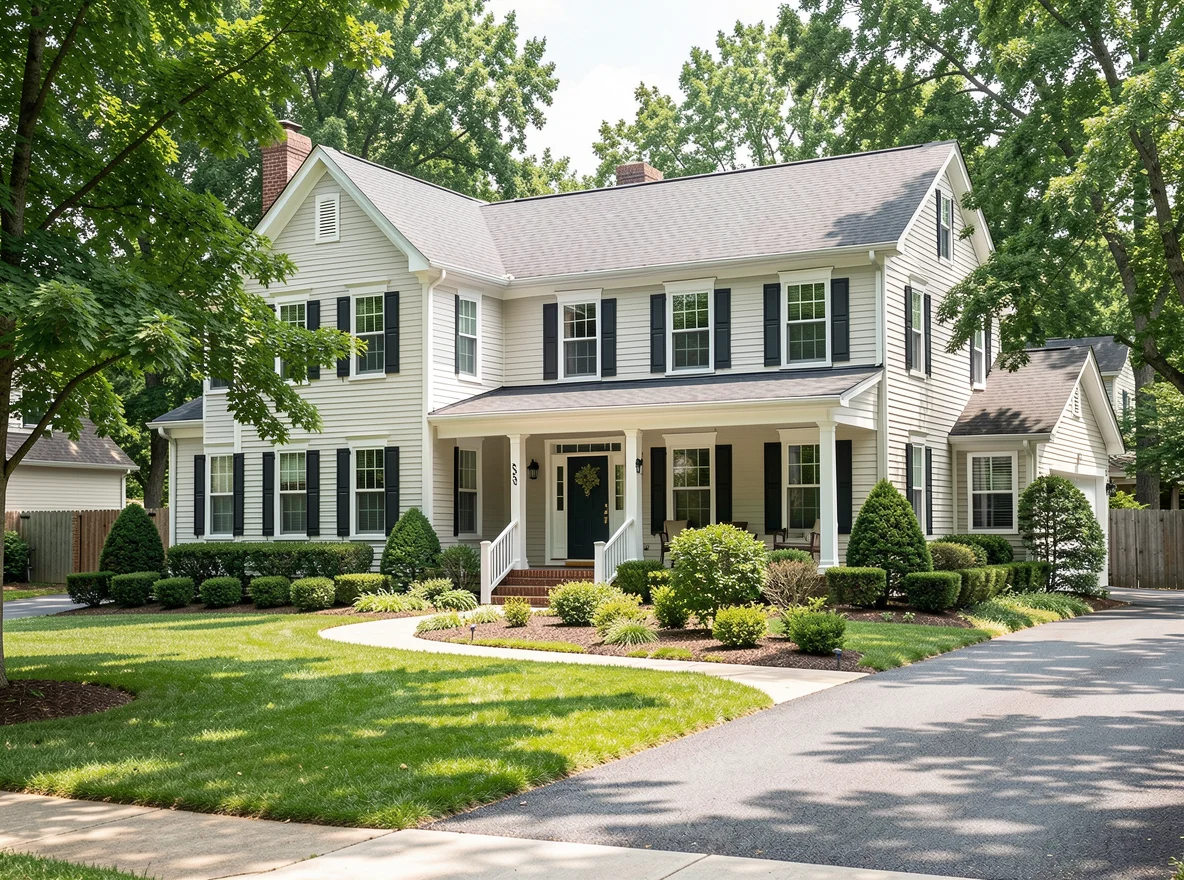
Touring homes with a system can save time. Take notes on natural light, room flow, storage, ceiling height, noise, parking, and the condition of major systems. Notice the features that are difficult to change, like location, lot shape, traffic patterns, and overall layout. Cosmetic details can often be updated later, but a floor plan that does not work for your routine may always feel like a mismatch. Photos are helpful, but in-person impressions often reveal whether a property truly fits your goals.
This is also where working with a buyer-focused agent becomes valuable. An experienced local guide can help interpret pricing, identify patterns between neighborhoods, and point out opportunities you may miss on your own. Warmath Realty Group | Keller Williams emphasizes local service in Greensboro and the surrounding North Carolina market, and that kind of on-the-ground perspective matters when inventory, pricing, and competition vary from one part of the Triad to another. Insightful guidance can help you move from browsing to acting with purpose.
Look Beyond the House Itself
A home search should include the area around the property just as much as the property itself. Spend time exploring nearby parks, trail connections, libraries, grocery options, coffee spots, medical offices, and major roads at different times of day. If you work remotely, test internet availability and think about where a home office would function best. If you commute regularly, compare weekday travel times rather than relying on a map estimate during off-hours. These details shape everyday comfort long after closing day.
The Triad offers plenty to evaluate on that front. Greensboro features a blend of greenway access, university influence, cultural venues, and established residential areas. Winston-Salem brings a distinct mix of historic character and growing commercial energy. High Point connects to regional business activity and offers convenient access across the broader area. Across the region, buyers can find local parks, golf courses, seasonal community events, and dining districts that make everyday life feel more connected. The key is not choosing the “best” area in the abstract, but identifying the one that fits your routine and priorities.
School information is another practical research point, even for buyers who are not making a decision based on school enrollment. Public information on district boundaries, school calendars, transportation routes, and nearby educational options can affect daily traffic patterns and neighborhood activity. Market factors matter too: sale prices, average days on market, inventory levels, and renovation trends all help paint a fuller picture of where value may be heading. Looking at both lifestyle details and market data creates a more complete view of your options.

As you narrow the list, be ready for the emotional side of buying. A home can look nearly perfect online and feel wrong in person, or a listing you almost skipped can turn out to be the one that makes sense. Staying flexible while keeping your core criteria intact is often the sweet spot. The process works best when excitement is balanced by preparation, patience, and clear expectations.
The best home search starts with a plan, not just a portal. With a realistic budget, a clear set of priorities, and informed local guidance, buyers can approach the Triad market with more confidence and less guesswork. Whether you are drawn to a classic neighborhood in Greensboro, a low-maintenance newer build, or a property with room to grow, the right next step is to organize your search around how you actually want to live. That turns the hunt for a house into a smarter search for home.